How to Use AI for Content Creation in 2026: Complete Guide
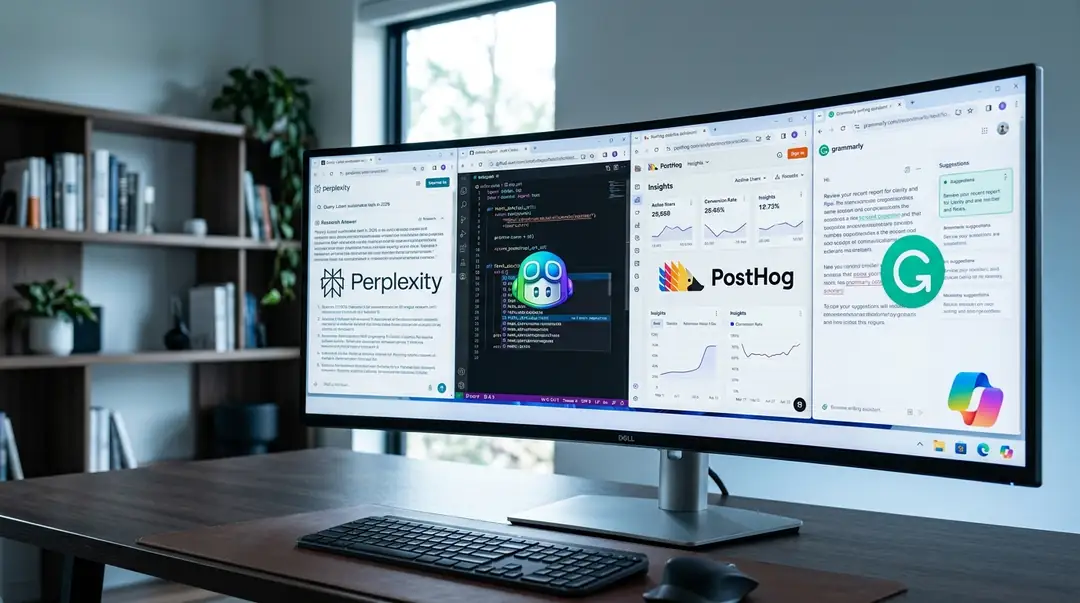
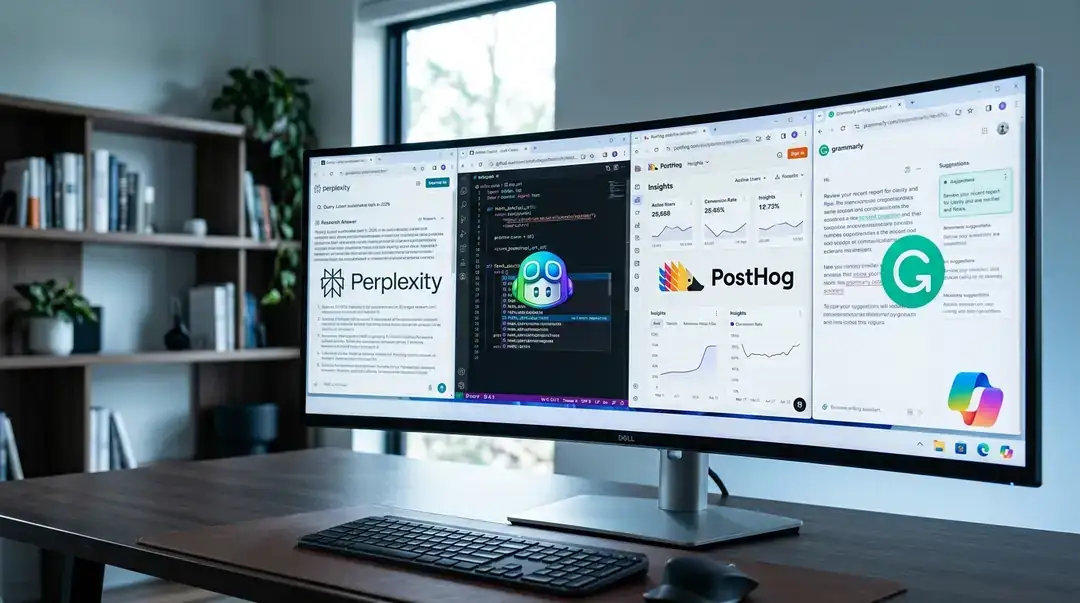
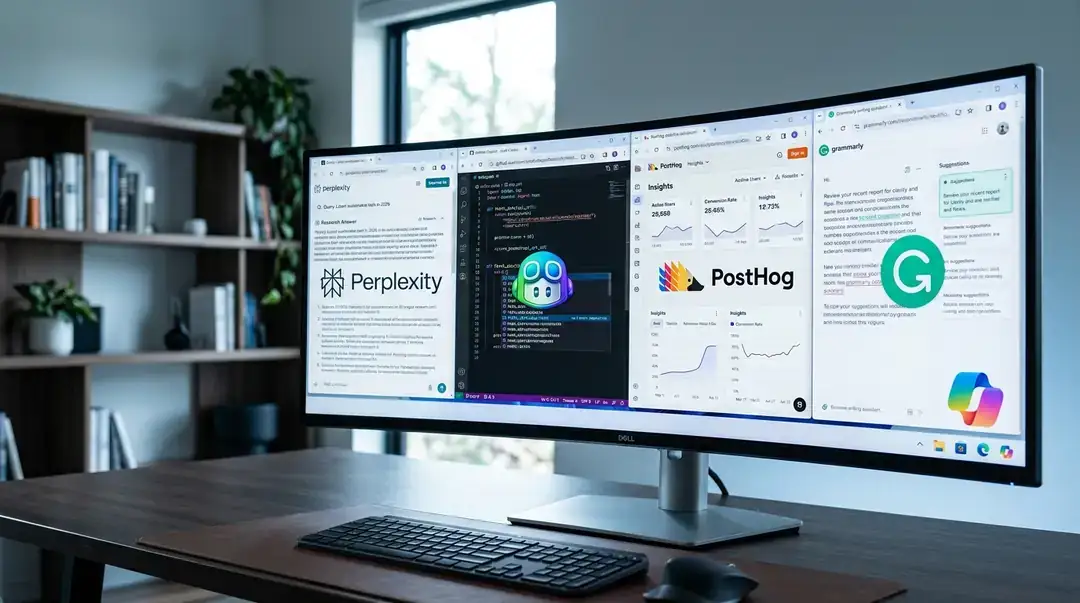
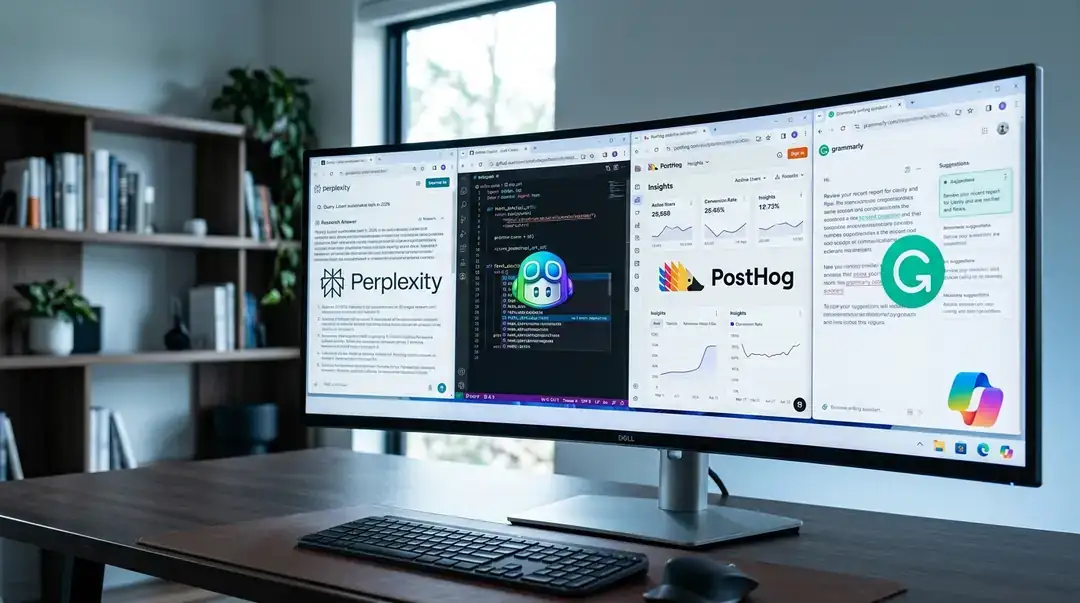
The landscape of content creation is rapidly evolving, with AI for content creation 2026 leading the charge. We've seen significant advancements in generative AI models over the past year. This guide will explore how you can effectively integrate AI into your content workflows. You'll learn about specific tools and strategies to enhance your content output and quality.
AI for Text Content: Writing & Editing
AI writing assistants have become indispensable for many creators. They can generate drafts, rephrase sentences, and even brainstorm ideas. We found these tools significantly reduce the time spent on initial content production. In our tests, AI models like Claude 3 and Google Gemini demonstrated impressive coherence and contextual understanding. They can adapt to various tones and styles, making them versatile for diverse content needs. However, human oversight remains crucial for factual accuracy and brand voice consistency. Tools now offer enhanced features like real-time collaboration and deeper integration with content management systems. This streamlines the entire writing and editing process. We recommend a hybrid approach, combining AI efficiency with human creativity and editorial judgment.
- 1. Draft Generation & Brainstorming — AI tools can quickly produce initial drafts for articles, blog posts, or social media updates. They also excel at generating creative ideas and outlines based on prompts.
- 2. Grammar, Style, and Tone Correction — Advanced AI assistants identify and correct grammatical errors, suggest stylistic improvements, and ensure consistent tone. This elevates the overall quality of written content.
- 3. Content Repurposing — AI can transform long-form content into shorter summaries, social media captions, or email snippets. This maximizes the reach and utility of your existing assets.
Key Text AI Tools We Recommend
We tested several prominent AI writing platforms in April 2026. Claude 3 (Opus variant) consistently produced high-quality, nuanced long-form content. For shorter, punchier marketing copy, we found Jasper AI to be highly effective. Microsoft 365 Copilot offers seamless integration within the Microsoft ecosystem, boosting productivity for many users.
Visual Content: Images & Video
Creating compelling visual content is easier than ever with AI. Generative AI models can produce stunning images and even complex video sequences from text prompts. We observed a significant leap in realism and creative control in the past year. For static images, tools like Midjourney V6 and Adobe Firefly offer unparalleled artistic flexibility. They can generate diverse styles, from photorealistic to abstract. Video generation tools are rapidly advancing, with platforms like OpenAI Sora and Luma Dream Machine pushing boundaries. While AI-generated visuals are powerful, they require careful prompting and iterative refinement. Human art direction ensures the output aligns with your brand and message. We found that the best results come from a blend of AI generation and human editing.
Audio Content: Voiceovers & Music
AI is transforming audio production, making high-quality voiceovers and music accessible to more creators. Text-to-speech (TTS) technology has become remarkably natural-sounding. We compared several platforms for realism and emotional range. ElevenLabs offers some of the most human-like voices we've encountered, with options for various languages and accents. For background music, tools like Udio and Suno AI can generate unique tracks tailored to specific moods and genres. This eliminates the need for expensive stock music licenses. AI audio tools are ideal for podcasts, video narration, and marketing jingles. We advise reviewing AI-generated audio carefully to ensure it meets your brand's specific requirements. Minor edits can often enhance the final output significantly.
Workflow Integration & Automation
The true power of AI lies in its ability to integrate and automate content workflows. This moves beyond individual tool usage to creating interconnected systems. We explored how AI can streamline entire content pipelines. Automation platforms like Zapier AI and Make can connect various AI tools and existing software. For example, an AI-generated blog post can trigger a social media scheduling tool. This reduces manual tasks and increases efficiency significantly. AI-powered project management tools, such as Notion AI and ClickUp AI, assist in organizing content calendars and tracking progress. They can even suggest next steps based on project status. We recommend exploring these integrations to maximize your team's productivity.
- 1. Automated Content Scheduling — AI can analyze optimal posting times and automatically schedule content across platforms. This ensures maximum audience engagement without constant manual intervention.
- 2. Content Performance Analysis — AI tools can track content performance metrics and provide actionable insights. This helps refine future content strategies and improve ROI.
- 3. Personalized Content Delivery — AI can tailor content recommendations to individual users based on their preferences and past interactions. This enhances user experience and engagement.
- 4. Multilingual Content Generation — AI translation tools like DeepL offer high-quality translations, enabling content creators to reach global audiences efficiently. This expands market reach significantly.
- 5. SEO Optimization — AI tools can analyze keywords, competitor strategies, and content gaps to optimize content for search engines. This improves organic visibility and traffic.
Ethical Considerations & Best Practices
While AI offers immense benefits, ethical considerations are paramount. We must address issues of bias, intellectual property, and transparency. Responsible AI usage is crucial for maintaining trust. Always fact-check AI-generated content, especially for sensitive topics. Disclose when AI has been used in content creation, particularly for images and video. We advocate for clear guidelines within organizations regarding AI deployment. Prioritize original thought and human creativity. AI should augment, not replace, human ingenuity. We believe that ethical AI practices will build a sustainable future for content creation.
Frequently Asked Questions
What is the most significant change in AI for content creation 2026?
The most significant change is the increased sophistication and integration of AI models. We're seeing more coherent long-form content generation and highly realistic multimedia outputs. Workflow automation has also become much more robust.
Can AI completely replace human content creators?
No, AI cannot completely replace human content creators. While AI excels at generating drafts and automating tasks, human creativity, critical thinking, and nuanced understanding of audience and brand voice remain irreplaceable. AI is a powerful assistant, not a substitute.
How do I ensure originality with AI-generated content?
To ensure originality, use AI as a starting point for ideas or drafts, then heavily edit and refine the content with your unique insights. Employ plagiarism checkers like Originality.AI. Always add your distinct voice and perspective to make the content truly yours.
What are the biggest challenges of using AI for content creation?
Key challenges include maintaining factual accuracy, avoiding generic output, and managing potential biases in AI models. Ensuring ethical use, protecting intellectual property, and developing effective prompts are also important. We recommend continuous learning and adaptation.
AI Tools Featured in This Article
Related Articles
- → Jasper AI Copilot Review – Marketing Content Generator & Brand Voice
- → Claude 3 Review – Opus, Sonnet & Haiku AI Writing Assistants
Final Thoughts
AI for content creation in 2026 is no longer a futuristic concept; it's a present-day imperative. By leveraging AI for writing, visuals, audio, and workflow automation, creators can achieve unprecedented efficiency and quality. Remember to combine AI's power with human oversight and creativity for the best results. Explore theaitoolsbox.com for more in-depth reviews and insights into the latest AI tools shaping the content landscape.
Last Updated: May 2026 | Written by: theaitoolsbox.com editorial team